 customerservice@active-controlsllc.com
 (754) 307-1303



The Hidden Electrical Challenge Inside Every RV Air Conditioner
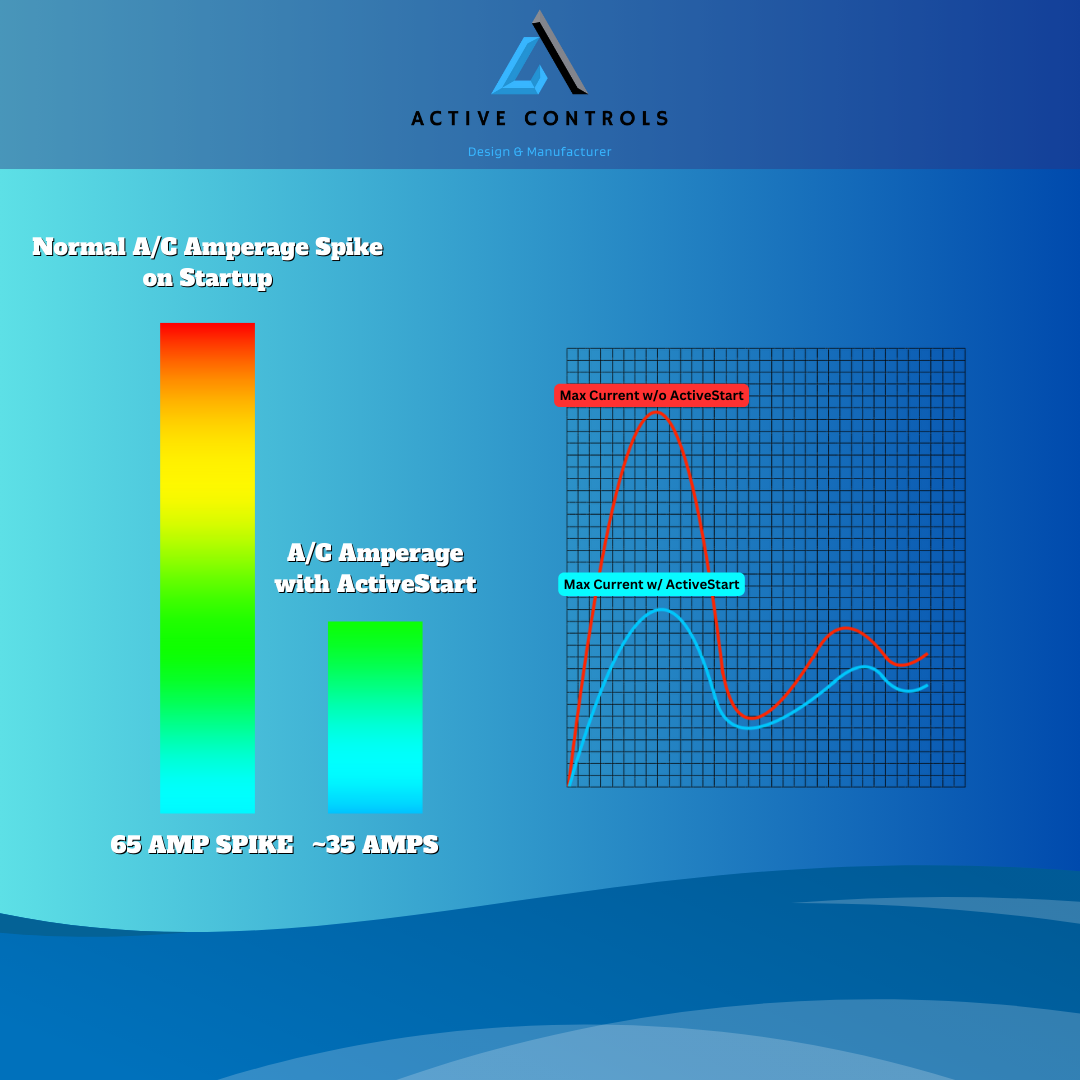
RV air conditioners are engineered for performance in compact environments, but they come with a major electrical challenge: high inrush current during startup. When the compressor motor starts, it can draw up to 3–7 times its normal operating current. This sudden surge creates several problems:
- Generator overload
- Breaker tripping
- Voltage instability
- Compressor strain
- Inconsistent cooling startup
This issue becomes even more pronounced when multiple RV appliances are running at the same time. Without proper power management, RV owners often experience unreliable AC performance exactly when they need it most.
What an RV Air Conditioner Soft Starter Actually Does
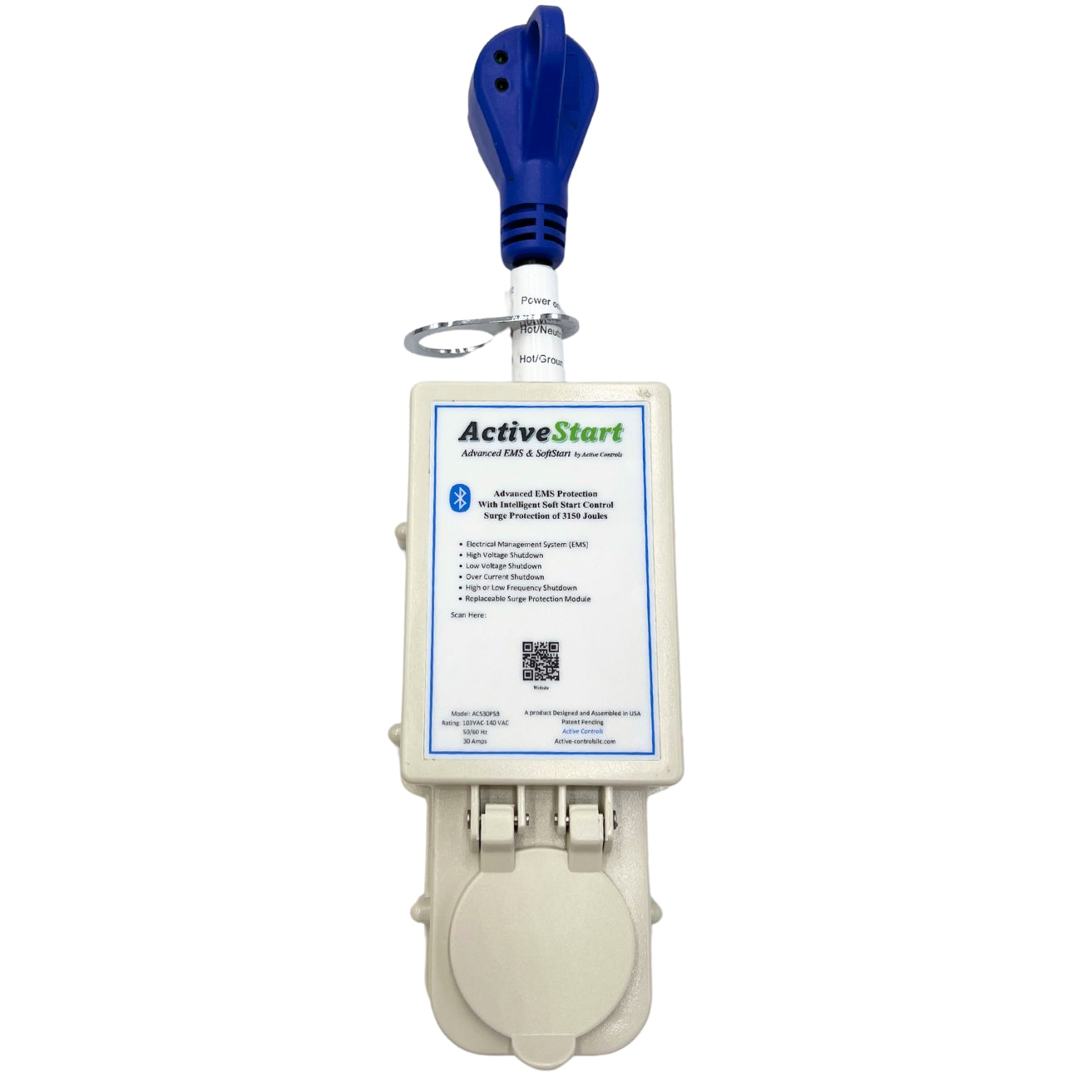
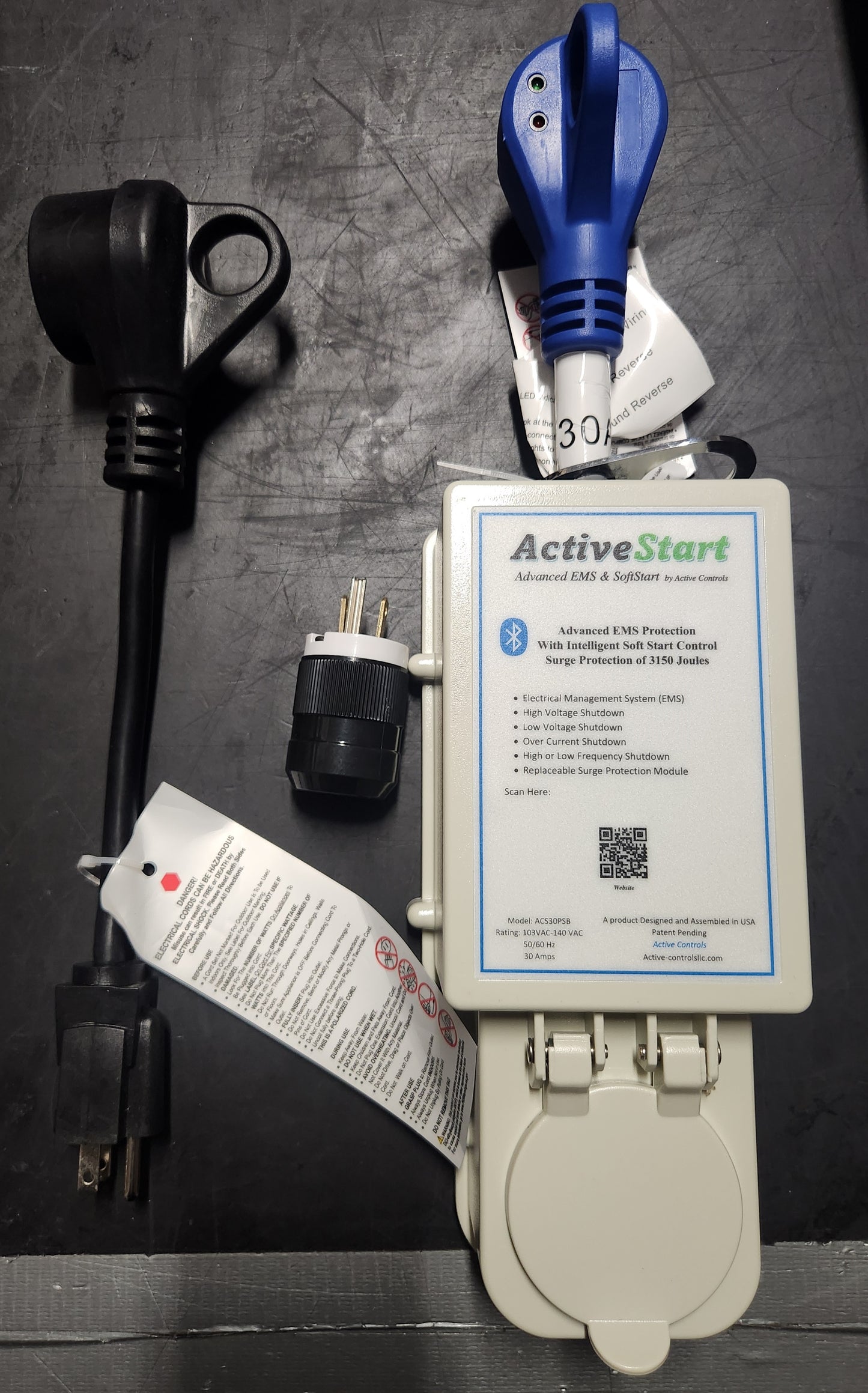
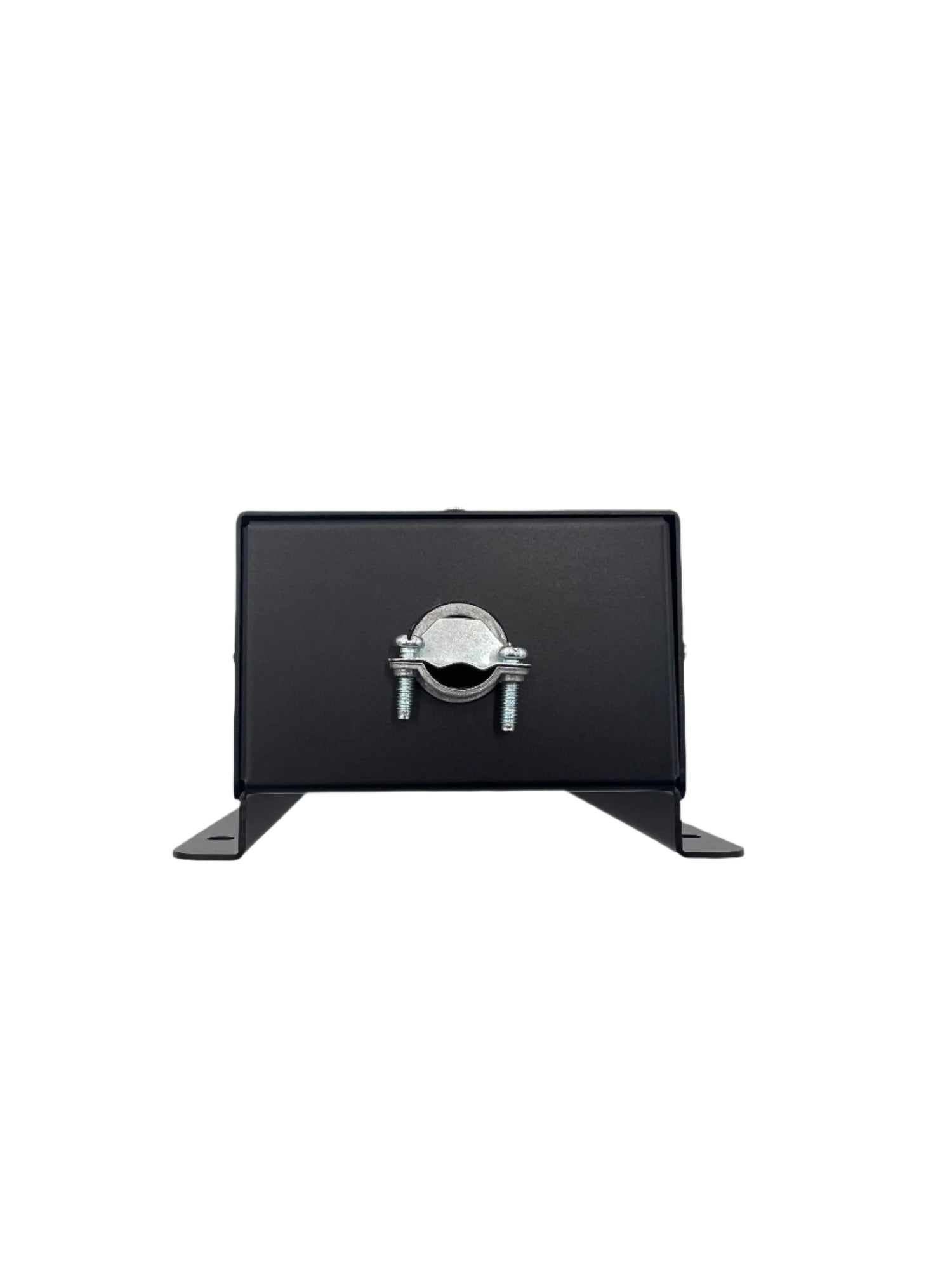
A soft starter is an advanced electronic control device that manages how power is delivered to the air conditioner compressor during startup.
Instead of allowing a sudden electrical surge, it introduces power gradually through a controlled ramp-up process.
In practical terms, it:
- Reduces startup current demand
- Prevents sudden voltage drops
- Smoothly accelerates the compressor motor
- Protects electrical components from stress
- Stabilizes system performance instantly
Once the compressor reaches normal operating speed, the soft starter disengages and allows the system to run normally with minimal energy loss.

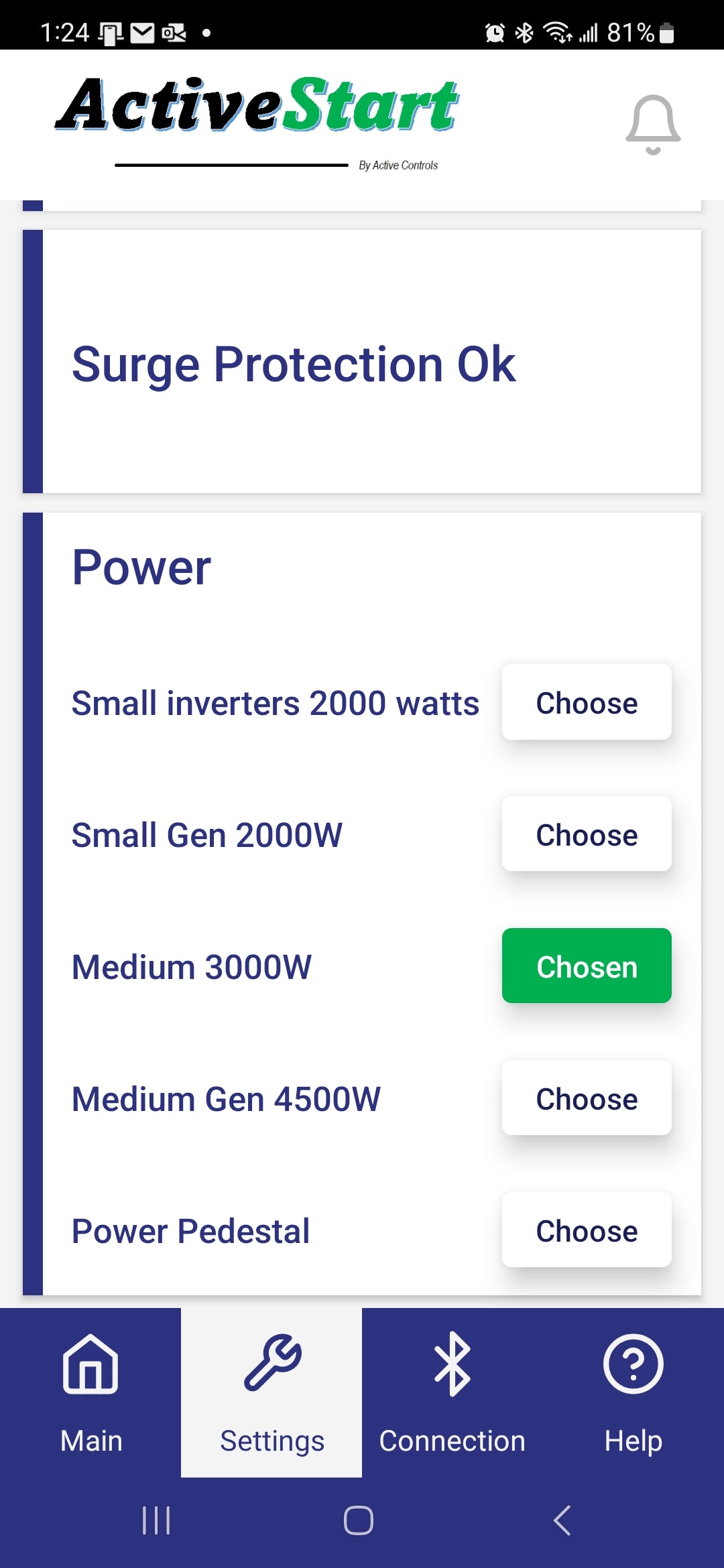
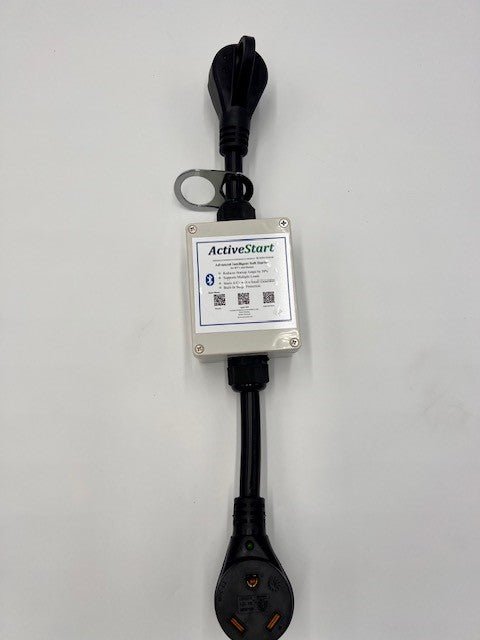
Why Traditional RV Electrical Systems Struggle Without Soft Start Technology
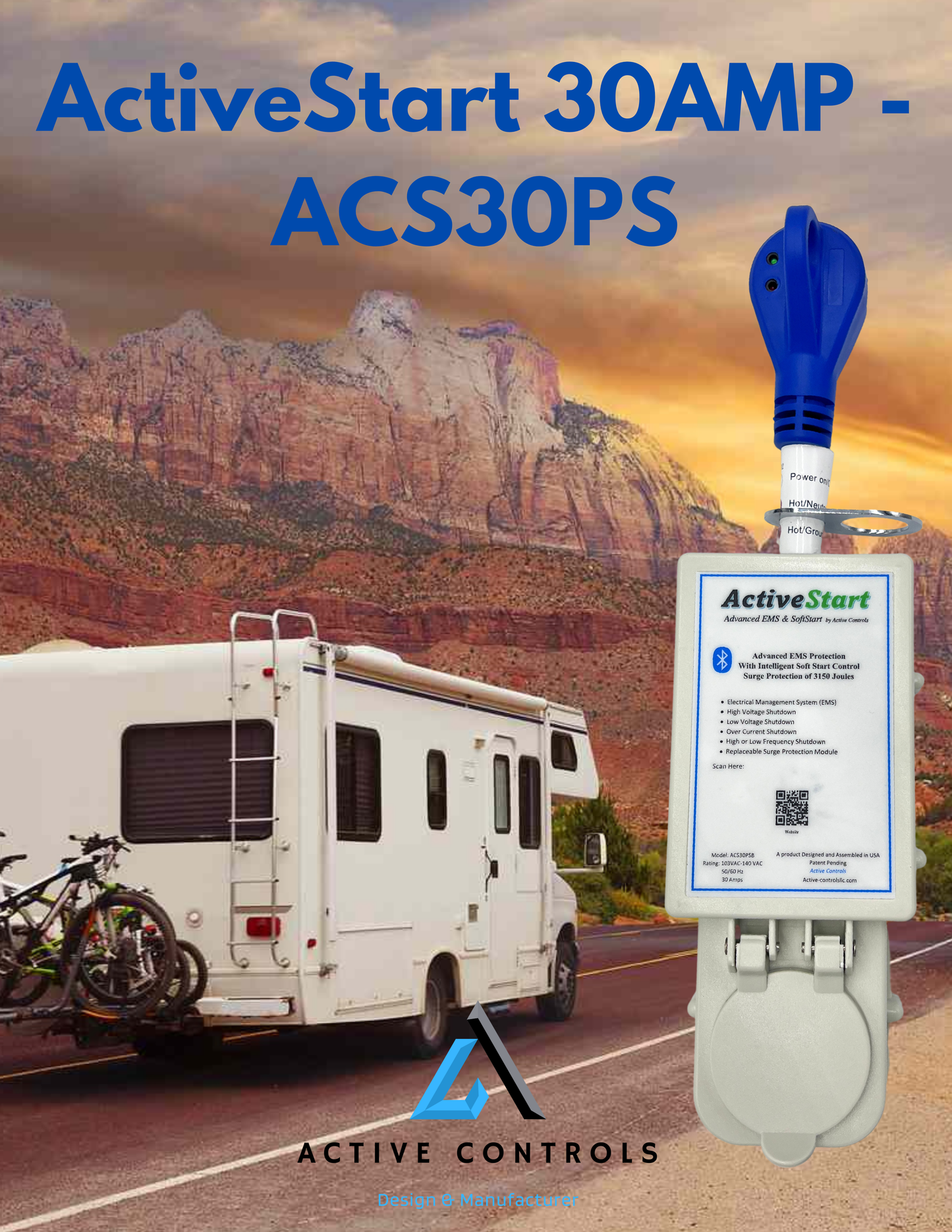
Most RV electrical systems were not originally designed for modern high-demand appliances. This creates a mismatch between power supply limitations and air conditioning requirements. Common real-world limitations include:
- Small onboard generators (often under 4,000 watts)
- Limited campground power supply (30A or 50A restrictions)
- Voltage drops during peak usage hours
- Aging wiring systems in older RV models
- Simultaneous use of multiple appliances
These constraints often lead to:
- AC startup failure
- Flickering lights during compressor start
- Repeated breaker trips
- Excessive generator strain
- Reduced overall system lifespan
A soft starter directly resolves these issues by reducing peak load demand during the most critical moment startup.
Advanced Operating Principle of RV Soft Starter Systems
Modern RV soft starters use intelligent semiconductor-based control systems to regulate voltage and current flow.
The process typically follows a precision-controlled sequence:
- Startup detection phase – identifies compressor activation signal
- Voltage modulation phase – gradually increases power delivery
- Current stabilization phase – aligns motor speed with load requirements
- Bypass transition phase – switches to full operation mode
This controlled process eliminates electrical shock to the system and ensures smooth mechanical engagement of the compressor. Unlike traditional mechanical solutions, soft starters provide consistent performance regardless of temperature, load, or power source quality.
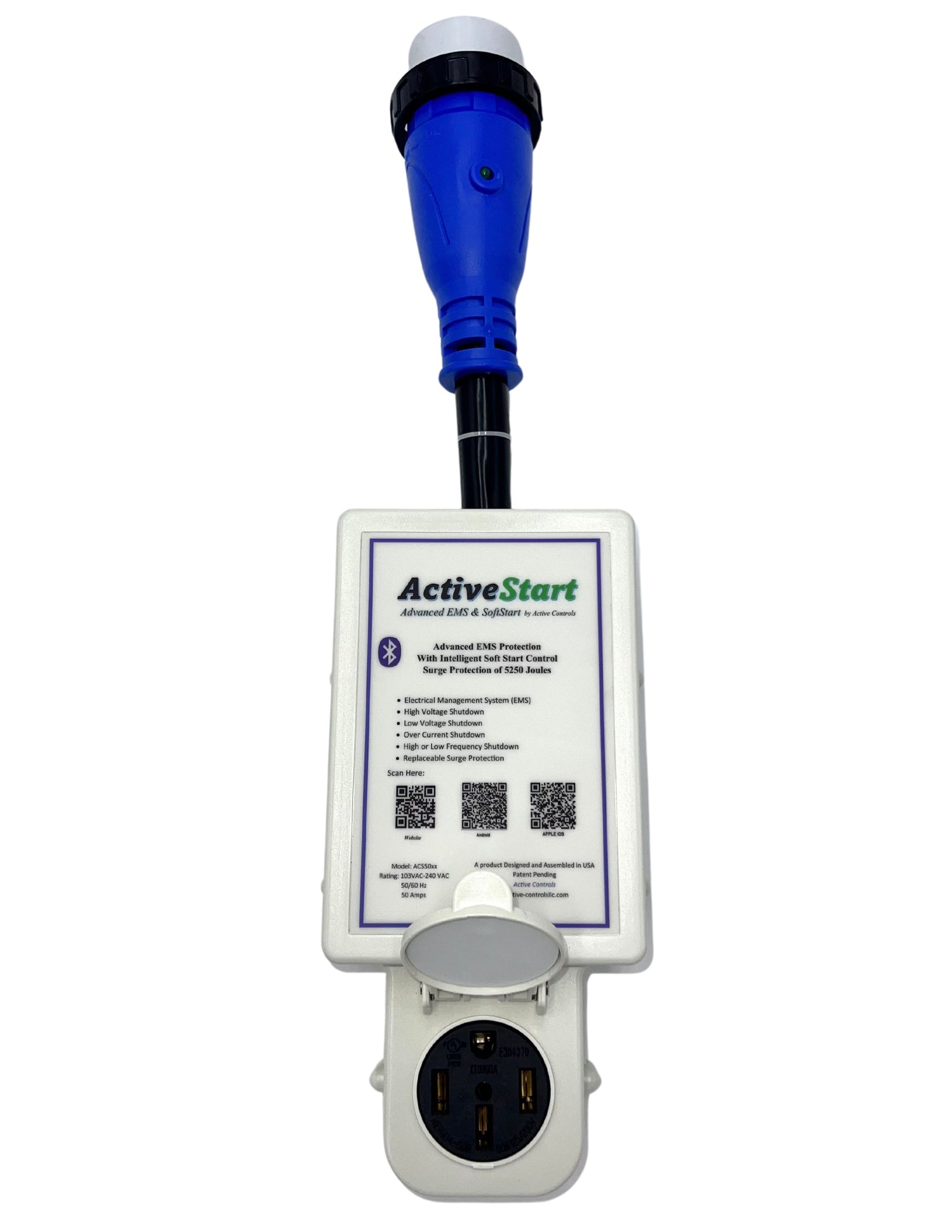
Key Performance Benefits for RV Owners and Operators
Installing an RV air conditioner soft starter delivers measurable improvements in both performance and system reliability.
1. Dramatic Reduction in Startup Load
Soft starters significantly reduce inrush current, making it possible to run AC units on smaller generators and limited shore power connections.
2. Improved Off-Grid Capability
RV owners who travel off-grid benefit from reliable AC operation even when using portable inverter generators.
3. Enhanced Electrical System Protection
By eliminating sudden voltage spikes, soft starters protect critical RV components such as:
- Circuit breakers
- Wiring harnesses
- Power converters
- Control boards
4. Extended Compressor Life Cycle
Reducing mechanical stress during startup minimizes wear and tear, helping compressors last significantly longer.
5. Stable Multi-Appliance Operation
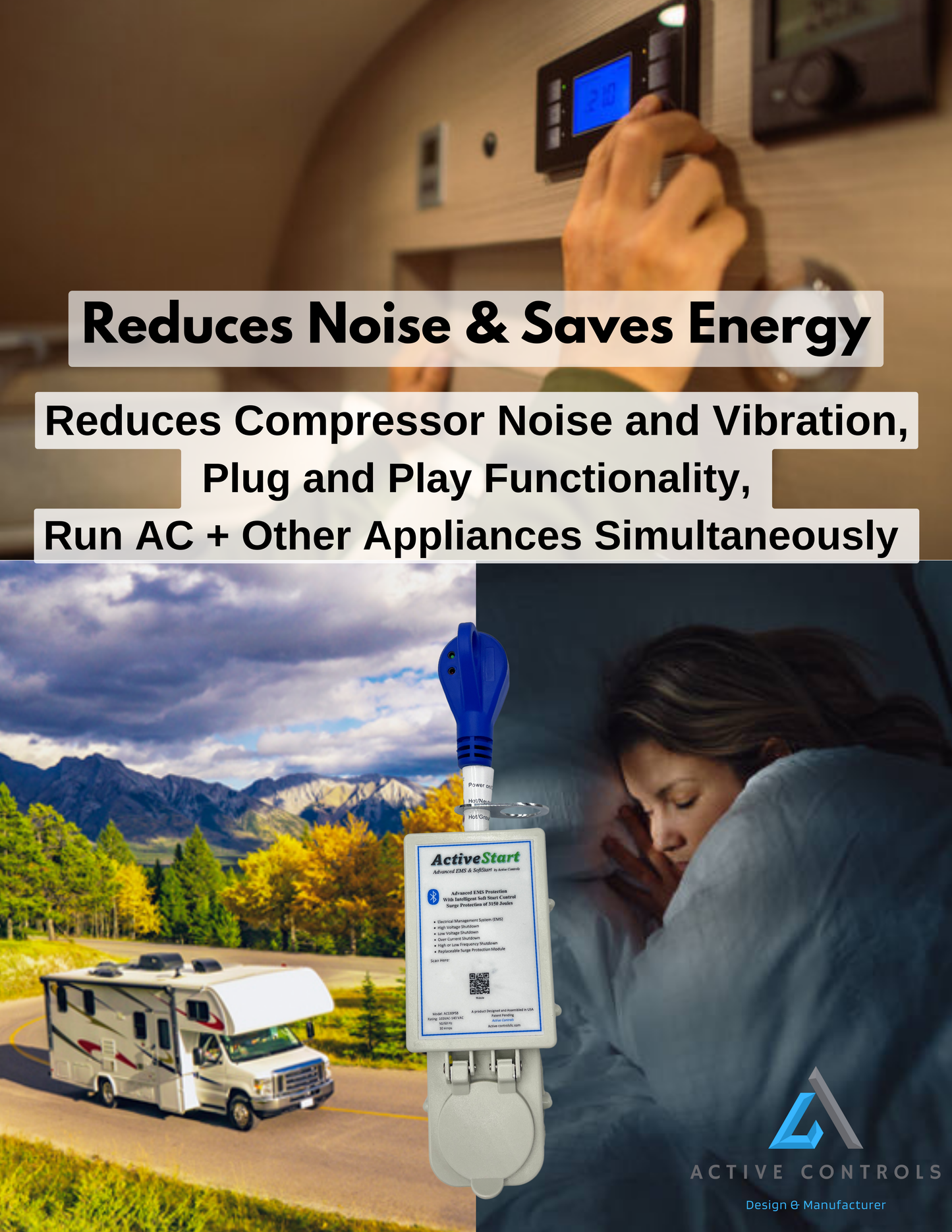
Soft starters reduce peak demand, allowing RV owners to run multiple appliances simultaneously without overload issues.
6. Quiet and Smooth Startup Experience
Instead of a loud electrical surge, AC systems start gradually, improving comfort inside the RV cabin.
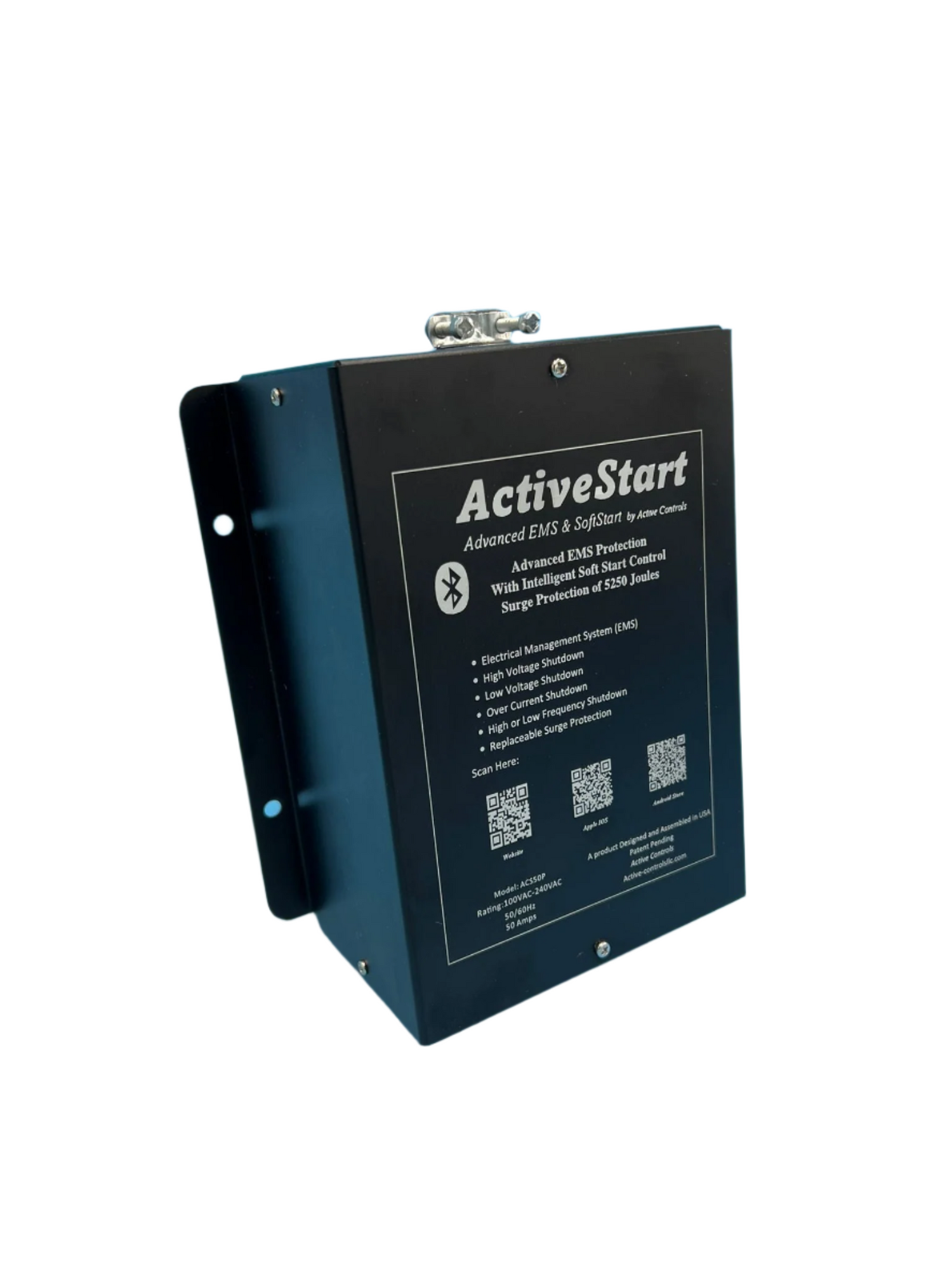
Common RV Problems Solved by Soft Starter Technology
RV owners often install soft starters after experiencing repeated power-related failures.
Generator Overload During AC Startup
Soft starters reduce startup load, allowing smaller generators to handle air conditioning systems effectively.
Frequent Circuit Breaker Trips
By controlling peak current draw, soft starters eliminate sudden overload conditions.
AC Failure in High Heat Conditions
They stabilize startup performance even when compressor load increases due to extreme temperatures.
Voltage Drop in Campgrounds
Soft starters reduce electrical stress on weak campground power systems, preventing system instability.
Appliance Conflict Issues
They allow smoother power distribution when multiple RV systems operate simultaneously.
Installation Process and Technical Integration Overview
Installing an RV air conditioner soft starter is a straightforward electrical integration process when handled correctly.
Typical installation steps include:
- Disconnecting RV power supply completely
- Accessing the air conditioning electrical compartment
- Mounting the soft starter unit securely
- Connecting it to compressor and power terminals
- Securing and insulating all wiring connections
- Performing controlled startup testing
Most installations are completed quickly without requiring major modifications to the RV electrical system.
Compatibility Across RV Air Conditioning Systems
RV soft starters are designed for broad compatibility with most air conditioning systems, including:
- Rooftop RV AC units
- Single and dual compressor systems
- 110–120V electrical configurations
- Generator-powered systems
- Shore power setups (30A and 50A systems)
Proper model selection ensures maximum performance efficiency and electrical safety.
Soft Starter vs Traditional Hard Start Kit: A Technology Comparison
Many RV owners confuse soft starters with hard start kits, but their performance difference is significant.
Hard Start Kit:
- Provides short burst of additional power
- Helps compressor start under load
- Does not reduce inrush current
- Limited protection for electrical system
- Lower long-term efficiency benefits
Soft Starter:
- Actively controls and reduces startup current
- Provides smooth voltage ramping
- Protects entire RV electrical system
- Improves compressor longevity
- Delivers consistent performance under all conditions
Soft starters represent a more advanced and modern solution for RV electrical management.

Why Active Controls LLC Leads in Soft Starter Innovation
At Active Controls LLC, we specialize in precision-engineered motor control solutions designed for demanding real-world applications. Our RV air conditioner soft starter technology is built around performance, durability, and efficiency.
Our engineering advantages include:
- Advanced surge reduction algorithms
- Compact, RV-optimized design architecture
- High-temperature and vibration resistance
- Universal compatibility across RV systems
- Long-term electrical system protection
- Reliable performance in extreme environments
We focus on solving real electrical challenges faced by RV owners, ensuring consistent cooling performance anywhere travel takes you.
Long-Term Maintenance and Reliability Expectations
One of the key advantages of soft starter technology is its long-term reliability and minimal maintenance requirements.
Once installed, the system operates automatically in the background without user intervention.
Recommended maintenance practices include:
- Periodic inspection of wiring connections
- Ensuring dry and ventilated installation areas
- Checking system performance during routine RV servicing
- Avoiding exposure to moisture or corrosion conditions
With proper installation, a high-quality soft starter can deliver years of uninterrupted performance.
The Role of Soft Starters in Next-Generation RV Power Systems
As RV technology evolves, electrical efficiency is becoming a core design priority. Soft starters are a critical component in this transition toward smarter energy management.
They support:
- Improved off-grid energy independence
- Reduced generator dependency
- Better load balancing across appliances
- Enhanced system stability under fluctuating power conditions
- Smarter RV electrical infrastructure design
In modern RV setups, soft starters are no longer optional—they are becoming essential for reliable performance.